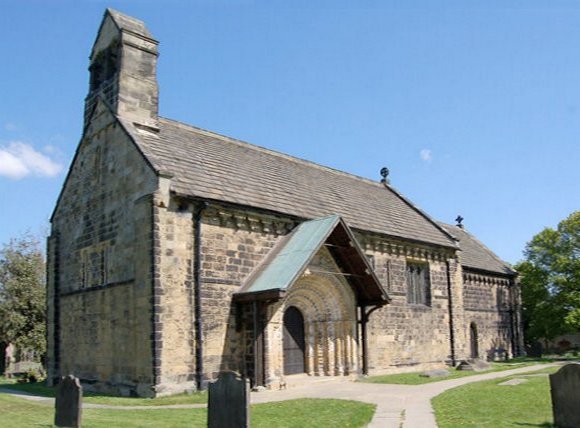
Only a few miles from my home stands one of Yorkshire’s best-preserved Norman churches: St John the Baptist in Adel.
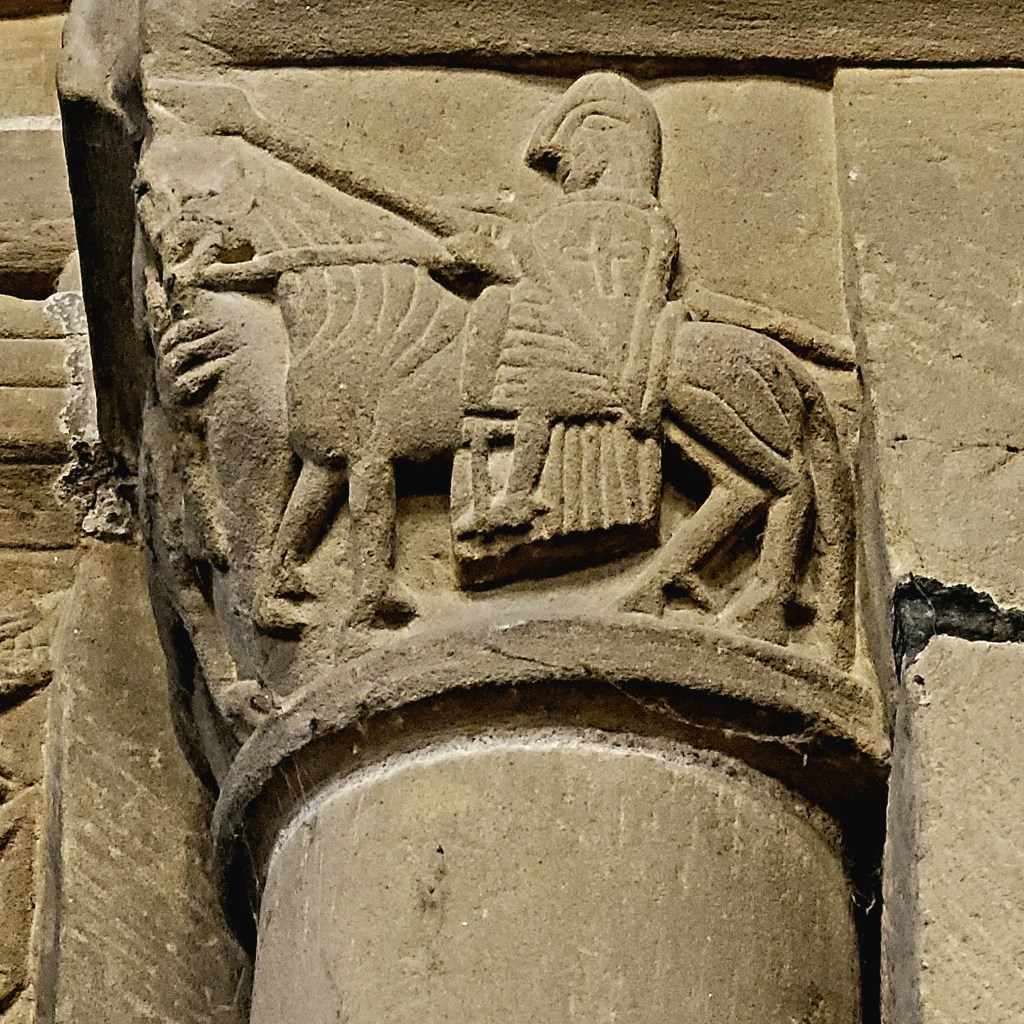
Among its remarkable Romanesque carvings is an early 12th-century sculpture of a Norman cavalryman astride his horse. The rider carries a lance and kite-shaped shield, while beneath him stands a gracile but powerful horse with a deep chest, thick neck, and long flowing mane. A decorated saddle cloth drapes across its body, while the saddle itself has a prominent pommel and cantle, offering the rider security in combat.
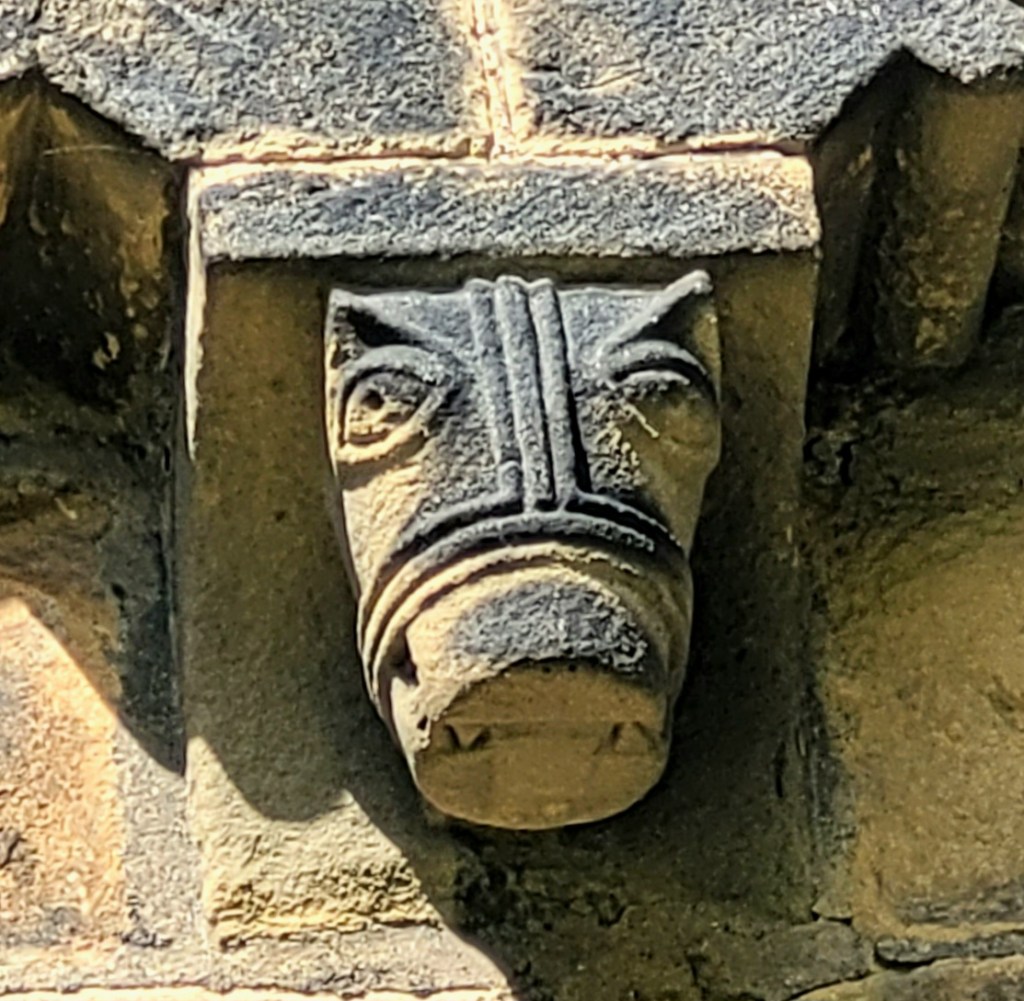
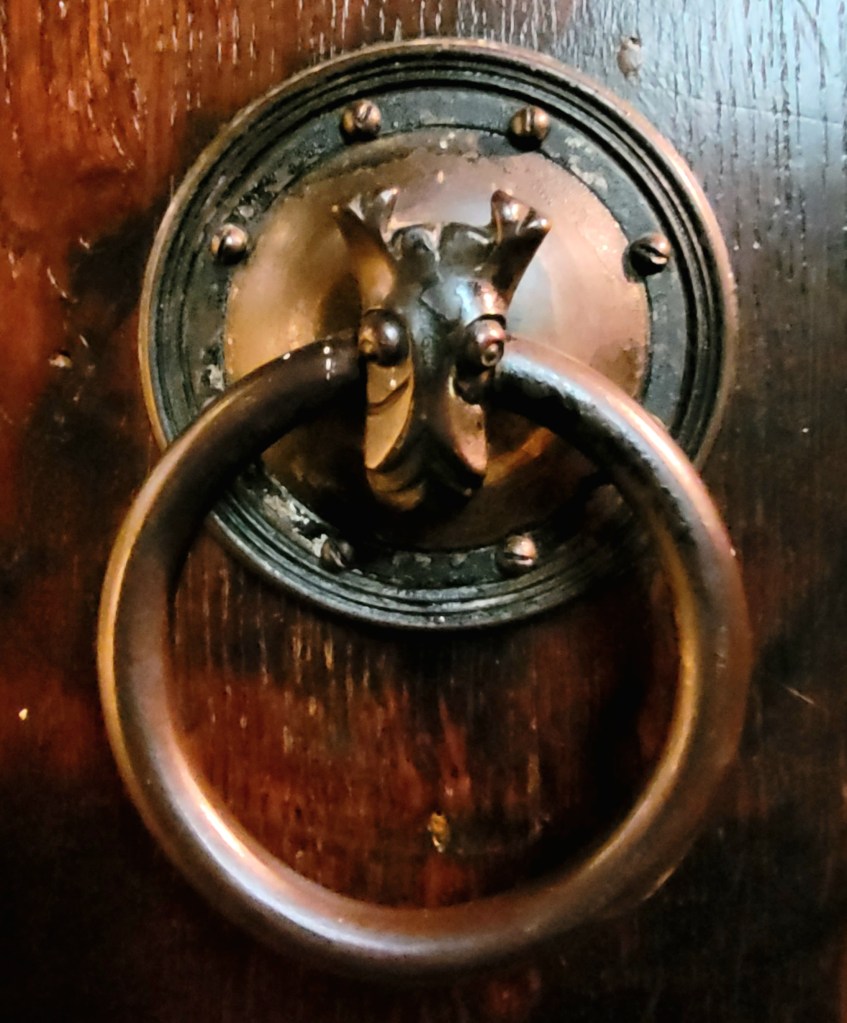
And this is not the church’s only equestrian detail. Horse heads peer from corbels, while even the door knockers take equine form – reminders of how deeply the horse shaped Norman identity, status, and conquest.
The more I look at carvings like these, the more I wonder whether they preserve something of the real horses that crossed the Channel with William the Conqueror’s army in 1066. It is a question that lies at the heart of my current research.
 Dr Emma Herbert-Davies
Leave a comment