EMMA HERBERT-DAVIES holds a PhD from the University of Leeds, where her research focused on the role and significance of warhorses during the reigns of Edward I and Edward II. A lifelong equestrian enthusiast, Herbert-Davies has owned and competed horses for many years, combining academic expertise with hands-on experience in the equestrian world.
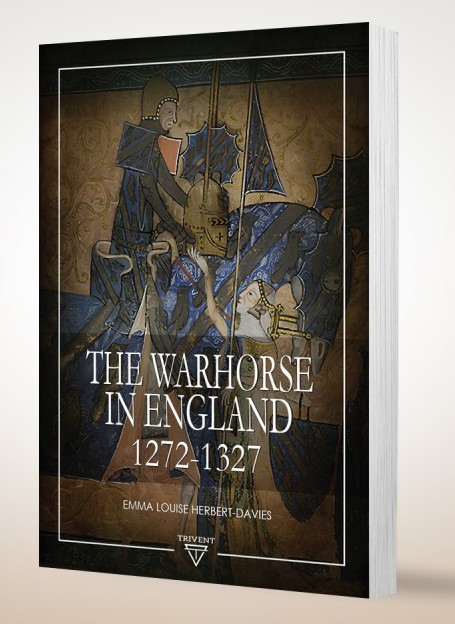
The warhorse has long been emblematic of medieval chivalry and power, depicted in art, literature, and the grand narratives of knightly valor. Yet, behind these depictions lies a nuanced history that intertwines the fate of the warhorse with the social, political, and military developments of its time. This book, The Warhorse in England: 1272-1327, seeks to illuminate the warhorse’s essential role during the reigns of Edward I and Edward II—an era marked by almost perpetual conflict and the zenith of cavalry use in English warfare. Drawing on an extensive range of primary sources, including previously unpublished army inventories, royal stable records, and medieval veterinary texts, this study goes beyond the warhorse’s symbolic representation to examine its practical importance in military campaigns. It considers the full lifecycle of these animals, from breeding and training to deployment, and the toll that warfare exacted on their health. In doing so, it reveals not only the substantial investment of resources required to sustain warhorse populations but also the implications of their care on medieval administrative and logistical practices. This work also engages with a broader context, integrating perspectives from military history and animal studies to reevaluate how warhorses influenced the structure of armies and the experiences of those who relied upon them. By examining equine practices through meticulous analysis of financial records, army lists, and breeding documentation, this book provides fresh insights into medieval England’s martial landscape and the interplay between human and animal agency.
Contents
- List of Tables and Illustrations
- Abbreviations
- INTRODUCTION
- CHAPTER ONE: THE PRIMARY SOURCES
- The Horse Inventories
- Equitium Regis Accounts
- Hippiatric Treatises
- CHAPTER TWO: THE WARHORSE
- A Lexical Note
- Horse Types
- The Destrier
- The Equus
- The Rouncey
- Colour
- Markings
- Sex
- CHAPTER THREE: IMPORTS AND ACQUISITIONS
- Imports
- The Warhorse Market in England
- Gifts and Sales of Royal Stock
- CHAPTER FOUR: BREEDING
- The Royal Stud Network
- Stallions
- Mares and Foals
- Death and Disease
- CHAPTER FIVE: BREAKING AND TRAINING
- Equestrian Terminology
- Age
- Selection
- Breaking In
- Early Training
- Dental Treatment
- Training for War
- Opportunities for Practice
- CHAPTER SIX: THE WARHORSE ON CAMPAIGN
- The Muster
- The Appraisal Process
- Branding
- The March
- Horse Armour
- The Terminology of Horse Losses
- Mortuus and Interfectus
- Ad Karvannum
- Ad Elemosinam
- Perditus
- CONCLUSION
- Appendices
- Bibliography
 Dr Emma Herbert-Davies